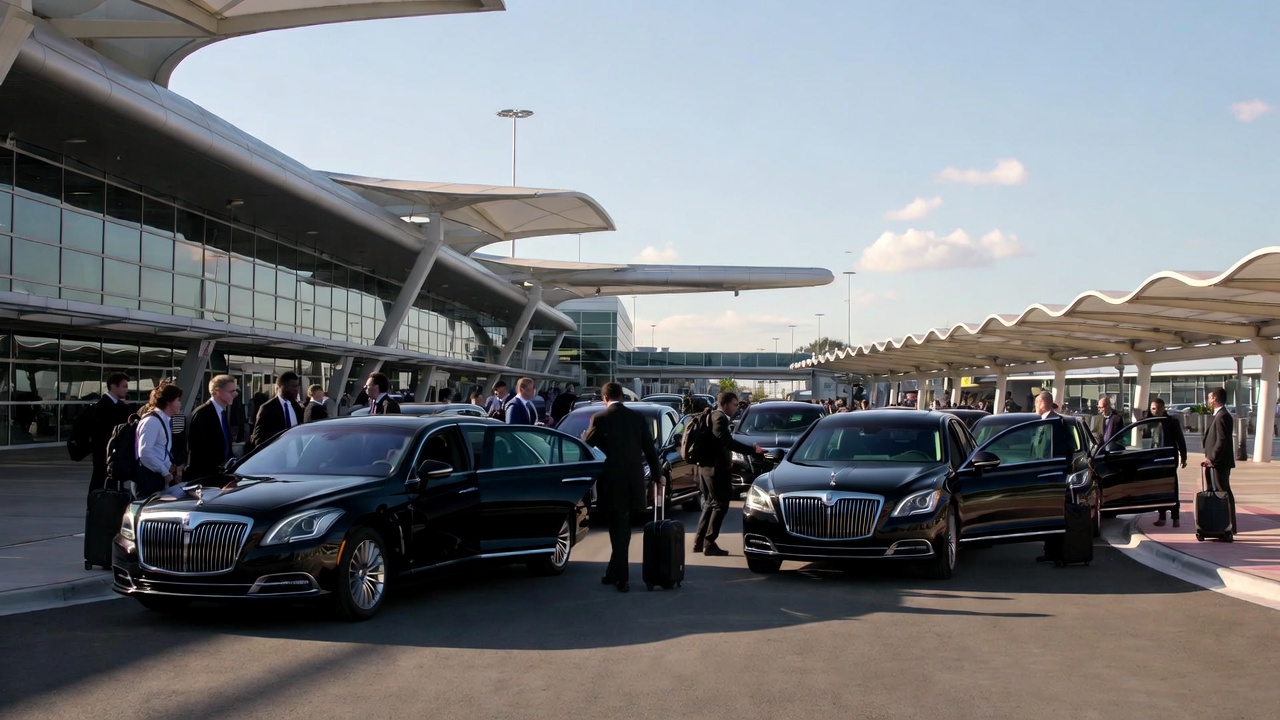
Washington, DC is a global hub for conferences, conventions, trade shows, and corporate events. When hundreds or even thousands of attendees descend on the city, airport transportation becomes one of the most important logistics behind the scenes. Whether you’re an event planner, corporate travel manager, or conference attendee, this guide will help you plan seamless and reliable ground transportation — from the airport to hotels, venues, and networking events — without the chaos.
1. Understand Your Event’s Transportation Needs
Start by asking the right questions:
- How many attendees? Small (under 50), medium (50–200), or large (200+)?
- Which airports are attendees using? Dulles (IAD), Reagan National (DCA), and BWI all serve DC.
- Do attendees arrive in waves? Some flights cluster at peak times, others trickle in throughout the day.
- Are attendees VIPs, speakers, exhibitors, or general delegates?
These answers shape your transportation strategy — and help determine fleet size, scheduling, and vehicle types.
2. Choose the Right Transportation Models
There isn’t a one-size-fits-all solution — the right strategy might combine several options:
- Pre‑booked private transfers: Best for VIPs, speakers, and high‑profile guests.
- Coaches/minibuses: Cost‑effective for large groups arriving at similar times.
- Ride share options (premium or standard): Flexible and good for smaller groups not tied to strict schedules.
- Public transit coordination: Metro or train connections for cost‑sensitive attendees, especially from BWI via train to DC.
3. Coordinate Around the Airport Layouts
Each airport has its own pickup zones and flow:
- Dulles International (IAD): Larger layout, multiple terminals, and requires clear communication on doors and meeting points.
- Reagan National (DCA): Closest to downtown, simpler traffic flow, but high demand citywide.
- BWI: Often serves cost‑conscious or regional attendees — rail connections can help attendees continue into DC.
For pre‑booked services, provide specific pickup instructions including door numbers, zones, and signs for drivers to reduce confusion.
4. Build a Transportation Timeline
Once you know flight arrival windows, build a timeline:
- Window when most attendees arrive
- Buffer times for delays and late flights
- Pickup schedules tied to flight tracking
Use flight monitoring tools and services that automatically adjust pickup times if flights are delayed or early — which is especially important when dealing with multiple arrivals.
5. Choose the Right Vehicles
Your fleet should reflect needs and comfort levels:
- Sedans & SUVs: Ideal for executives, VIP speakers, and corporate guests.
- Vans & minibuses: Great for small groups or exhibitors with extra luggage and equipment.
- Coaches: Best for very large groups arriving together (for example, conference blocks).
6. Provide Clear Rider Instructions
Communication is key to smooth pickups:
- Send attendees exact pickup points with photos or maps
- Include driver name, vehicle type, and license plate if possible
- Designate a coordinator or live contact number
Attendees should know precisely where to meet their ride — whether inside the terminal or specific curbside spot — to avoid delays.
7. Offer Multiple Languages or Accessibility Support
If your conference attracts international guests:
- Include simple instructions in multiple languages
- Ensure vehicles can accommodate wheelchair access or other needs
8. Coordinate Drop‑Offs & Event Shuttles
Airport transportation isn’t just about arrival — it’s about getting to:
- Hotels in several clusters (downtown DC, Arlington, Rosslyn, Northern VA)
- Conference venues and breakout sessions
- Social events, dinners, and receptions
Consider event shuttles or designated zones at venues to ease transitions between travel and sessions. Pre‑assigned shuttle schedules help reduce lines and wait times.
9. Build in Contingencies
Even the best plans can face hiccups:
- Flights delayed or canceled
- Traffic incidents near airports or downtown
- Last‑minute changes to schedules
Use services with live tracking and flexible rescheduling policies so your transportation planner isn’t left scrambling.
10. Feedback Loop After the Event
After your conference or convention, collecting feedback on transportation helps you improve next time. Ask attendees about:
- Punctuality and pickup clarity
- Rider comfort and vehicle quality
- Driver professionalism and communication
Final Thoughts
Airport transportation for conferences and conventions in DC requires thoughtful coordination, clear communication, and a mix of transportation options to suit different attendee needs. Whether pre‑booking private cars for VIPs, arranging group shuttles for bulk arrivals, or integrating public transit for cost‑conscious guests, a well‑planned strategy ensures attendees arrive ready to engage — not frazzled by logistics. When executed well, transportation becomes a highlight of your event’s overall experience, not a headache.